
Cart 0
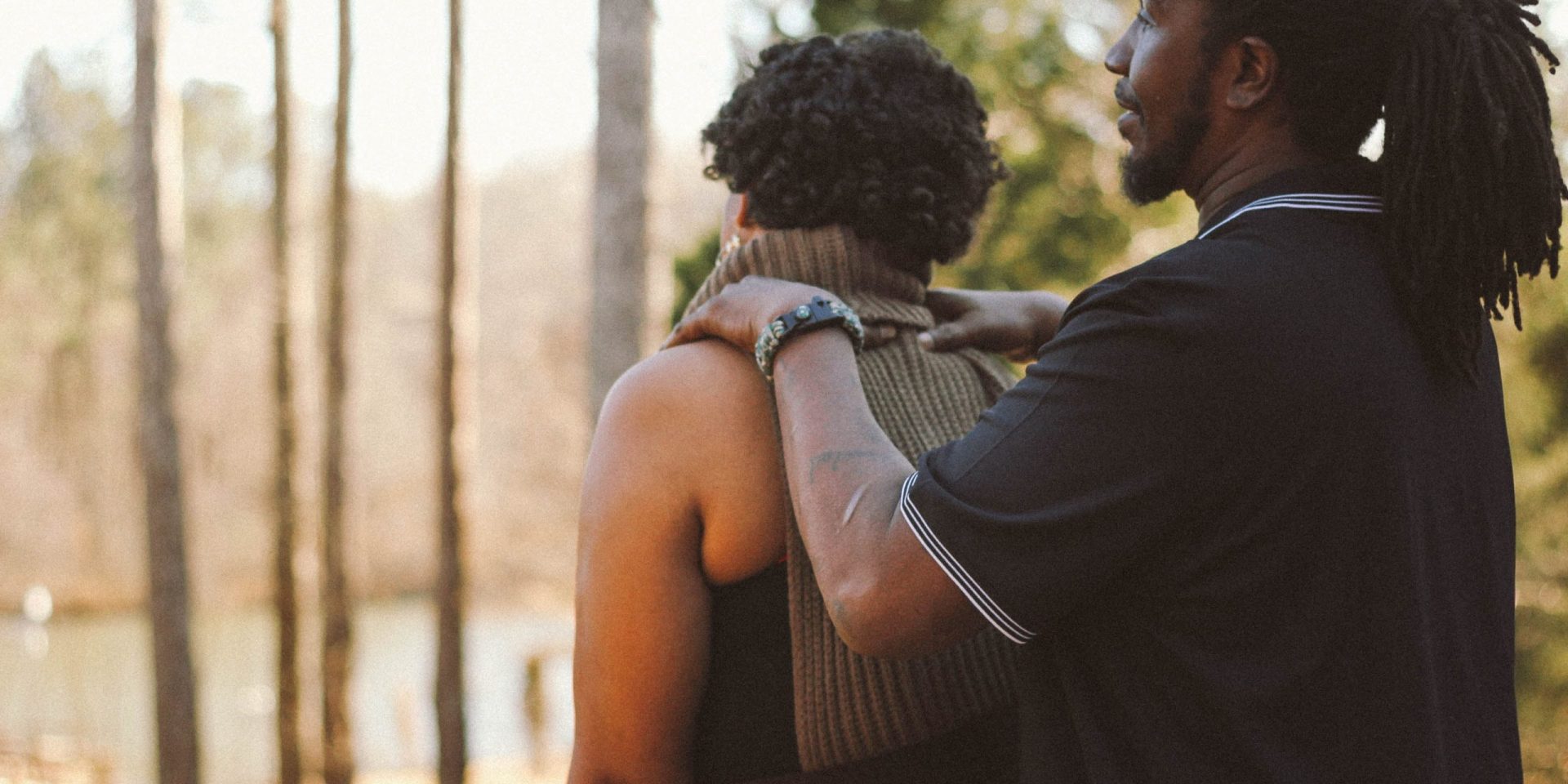
Having a partner or spouse battling depression can feel like a losing battle. It might make you feel hopeless, frustrated, and overwhelmed. Being that mental health struggles are not a “quick fix”, it might make you blame yourself being that you cannot help your partner. This is a common feeling amongst partners or loved ones of people battling depression. Although, you cannot make their depression go away there are a few things you can do to help your spouse and help yourself.
Educate yourself
One of the most helpful things you can do for yourself, and your partner is learning about what depression really is. Major Depressive Disorder (MDD), commonly referred to as depression, is a mental health disorder that requires a minimum number of symptoms to be present for two weeks or more. Having an awareness of what depression looks like will make your partner feel more understood and give you a better understanding what they are dealing with. Depression can look and feel different for many, therefore asking your partner specifically what they are experiencing will be even more helpful. Depression symptoms and severity can change as one’s mental health worsen or improves; it is important to keep that in mind as well.
RELATED: Managing Conflict in Friendship and Relationships
MDD symptoms might include:
- Depressed mood
- Isolation
- Loss of interest in most or all activities
- Appetite changes (weight loss or gain)
- Sleep changes
- Fatigue/low energy
- Feelings of worthlessness
- Concentration issues
- Misplaced anger/agitation
- Thoughts of death or suicide
Encourage them to seek mental health support
Seeking support can be difficult for someone struggling with depression for numerous reasons. Due to the stigma surrounding mental health, they may feel judged, ashamed, or even weak. Many people cannot do the everyday necessities such as getting out of bed, keeping up with hygiene, or eating. Encouraging your partner to seek support can be a major help for your relationship. Your partner having support such as a therapist, support group, or psychiatrist can be beneficial for their mental health. Furthermore, the added support takes some of the load off yourself. Assisting your partner with finding and going to those supports may be even more helpful for their treatment. It is helpful for someone struggling with depression to know they are not alone and have support.
RELATED: Prioritizing a Healthy Sex Life in Relationships
Support them
Support for someone who is struggling with their mental health can be done in many ways.
- It may look like helping them make lifestyle changes, which can positively affect their treatment. Exercising together, cooking them a healthy meal, or helping them keep a routine can promote positive behaviors necessary for recovery. Routine is especially important because it can reduce stress and help regulate physical habits like sleeping or eating.
- Another form of support may look like listening. I know listening may sound simple, but our listening skills aren’t always as great as we think they are. Actively listening looks like being present when someone is talking, providing verbal/nonverbal clues to show you are listening, or summarizing what they are saying to let them know you understand.
- Lastly, another form of support is acknowledging your partner’s strides to improve. Depression can be extremely hard on one’s self esteem and make people feel worthless. Acknowledging their efforts can be reassuring.
Take care of yourself
This may feel selfish when your partner is struggling with a serious mental health condition, however we cannot help others if we don’t help ourselves, even our spouses. Taking care of yourself may looking like keeping up with self-care, getting proper rest and meals in, or participating in your own mental health treatment. Watching your spouse struggle with their mental health can be detrimental to your own mental/physical health. It’s vital to take care of yourself while helping your partner.

Jasmine Belvin, LMHC, LPC
author
Jasmine Belvin is a Licensed Mental Health Counselor in the state of New York and a Licensed Professional Counselor in the state of Virginia. Jasmine received her Bachelor’s in Psychology and a Minor in Human Services from Old Dominion University in Norfolk, Virginia. Shortly, after she relocated to New York and received her Master’s in Counseling for Mental Health and Wellness at NYU. Jasmine maintains multiples roles as a psychotherapist, researcher, and content creator. She is leading a research team that is investigating the Strong Black Women schema and how it affects black women in the choice of coping strategies when facing trauma. As a therapist, she specializes in working with adolescents and young adults. However, she has experience working with individuals of all ages, sexual orientations, and cultural backgrounds. Her areas of focus include anxiety, depression, adjustment issues, relationships, grief, and PTSD. Jasmine takes into consideration the client’s cultural background and views the client as a whole. Jasmine likes to cater her therapeutic orientation to the individual client and tends to utilize an integrative approach consisting of psychodynamic, cognitive behavioral therapy, mindfulness, and/or a person-centered approach. You can further connect with her on Instagram at @missbelvin_, where she posts content related to her passions of reducing mental health stigma, self-care, empowerment, and helping people build better relationships with themselves and others.