Cart 0
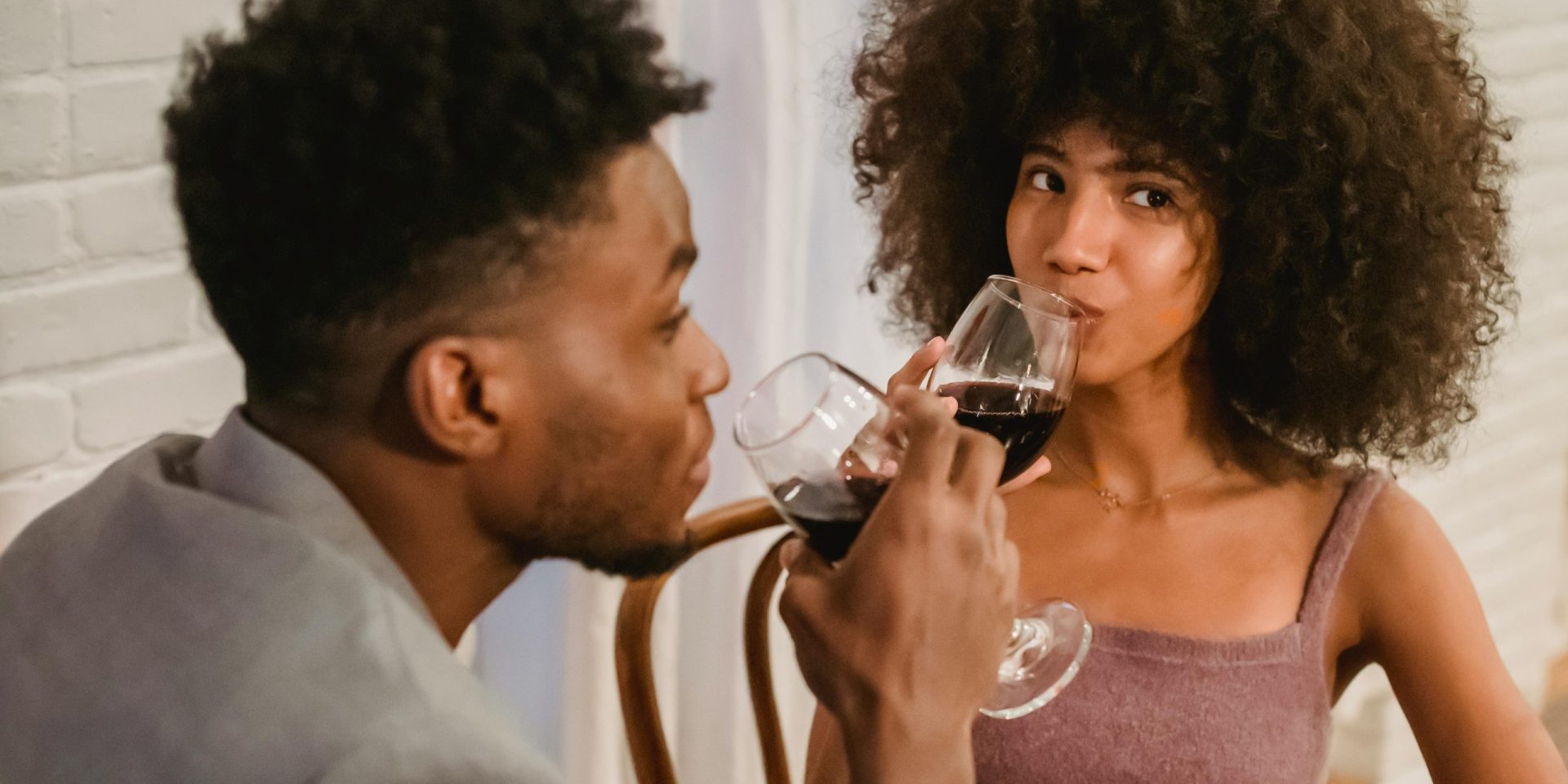
A recent episode of the Therapy for Black Girls Podcast featuring Dr. Joy Harden Bradford and writer and cultural critic Chanté Joseph explored a question that has sparked widespread conversation online: Is having a boyfriend embarrassing now?
At first, the question may sound unserious or intentionally provocative. But as the conversation unfolds, it becomes clear that what sits underneath it is much more meaningful. This episode opens up a timely and layered discussion about dating, identity, visibility, singleness, and the evolving ways women are relating to heterosexual partnership in public and private life.
What makes this conversation so compelling is that it is not really about whether having a partner is embarrassing. It is about what romantic relationships represent in a culture where partnership is still often treated as proof of worth, maturity, stability, and success.
Why This Conversation Resonated So Deeply
Chanté shares that her viral article struck a nerve because it named something many women had already been quietly observing and feeling. For some, the conversation brought relief and validation. For others, it triggered defensiveness, discomfort, or hostility.
That range of reaction matters.
When a topic like this causes such a strong emotional response, it usually points to something larger than the surface level debate. In this case, the reaction reveals just how deeply people are invested in the idea that romantic partnership should remain central to a woman’s identity and life trajectory.
For many women, especially those who have spent years navigating pressure to be chosen, desired, or partnered, this conversation offered language for a kind of liberation. It created space to question whether the traditional relationship script still feels relevant, healthy, or aspirational.
How Social Media Has Changed Dating
One of the most interesting parts of this discussion is the way it highlights social media’s role in shaping modern relationships.
Dating today is not just personal. It is increasingly public, performative, and highly interpreted. Relationship milestones that once happened quietly now unfold in front of an audience. Whether someone posts their partner, keeps them hidden, soft launches them, or avoids sharing entirely, each choice can be read as a statement.
In this context, relationships have become more than relationships. They can function as identity markers, aesthetic choices, and even social currency.
The episode explores how some women are intentionally choosing not to make their relationships visible online, not necessarily because they are unhappy, but because they no longer want partnership to be the centerpiece of how they are perceived.
That shift says a lot.
The Idea of “Boyfriendland”
A concept that emerges in the conversation is what Chanté refers to as “boyfriendland,” a kind of cultural and digital space where women’s content, identity, and desirability become wrapped around having and displaying a male partner.
This idea captures something many people have likely noticed online. Relationship content often gets elevated, rewarded, and romanticized in ways that reinforce the idea that being partnered is an achievement in itself.
That can make singleness feel invisible or lacking by comparison, even when someone’s life is rich, expansive, and deeply fulfilling.
When partnership becomes aspirational branding, it becomes harder to separate what people genuinely want from what they have been taught to perform.
Coupledom as Cultural Capital
A major thread in this episode is the idea that coupledom still functions as a form of cultural capital.
Many of us have absorbed the message that if you are in a relationship, especially a visible and socially approved one, it says something positive about your value. It can imply that you are lovable, stable, desirable, or successful.
And when that message is deeply embedded, singleness can start to feel like a personal failure instead of a neutral life circumstance or even a meaningful choice.
This is part of what makes the conversation so powerful. It challenges the assumption that partnership should automatically be the highest marker of personal fulfillment.
It asks us to consider what it would mean to build a life where romance is important if we want it to be, but not the singular organizing principle of our identity.
What This Means for Black Women
For Black women, these conversations can carry even more weight.
Black women often navigate layered cultural expectations around love, loyalty, femininity, faith, marriage, and respectability. There can be both internal and external pressure to achieve partnership while also maintaining independence, emotional strength, and high standards.
That tension can be exhausting.
This episode makes room for the reality that Black women are often asked to hold competing truths at once. To desire partnership but not seem desperate for it. To be open but not naive. To be accomplished but still “soft enough” to be chosen. To decenter men while still somehow ending up with one.
That contradiction is real, and many women are increasingly questioning whether they want to keep performing within it.
The Grief of Letting Go of the Script
One of the quieter but most important themes in this conversation is grief.
Reimagining your life outside of couple centered expectations can be freeing, but it can also be painful. It may require letting go of timelines, fantasies, or inherited beliefs about what adulthood, womanhood, or happiness are supposed to look like.
That kind of shift is not just intellectual. It is emotional.
It can involve mourning the version of life you thought would make you feel secure, complete, or validated. And it can take time to rebuild a sense of meaning that is not tied to being chosen by someone else.
That is a deeply human process, and one many women are navigating in real time.
Is Singleness Becoming More Aspirational?
A compelling question raised in the episode is whether we are in the middle of a broader cultural shift, one where unattached women are no longer seen as lacking but as expansive, self defined, and full of possibility.
That shift is already visible in many ways.
More women are choosing themselves without apology. More women are building full, joyful lives rooted in friendship, creativity, healing, career, rest, travel, and community. More women are becoming less willing to shrink their standards or compromise their peace just to fit into a traditional relationship narrative.
This does not mean that relationships no longer matter.
It means they are no longer the only thing that can make a life meaningful.
And that distinction matters.
Choosing From Clarity, Not Cynicism
The conversation also makes an important distinction between empowerment and emotional shutdown.
There is a difference between genuinely decentering men because your life has expanded and deciding that relationships do not matter because you have been repeatedly disappointed or hurt.
One is clarity. The other can sometimes be protection.
Neither is something to judge, but both are worth examining.
This is where self reflection and therapeutic work can be especially useful. It is one thing to reject harmful narratives. It is another to build a new one that actually feels aligned, grounded, and emotionally honest.
The goal is not to perform detachment. The goal is to make intentional choices about what kind of life and love you truly want.
A New Question Worth Asking
Ultimately, this conversation invites a more useful question than whether having a boyfriend is embarrassing.
A better question might be:
What does partnership mean to me outside of social pressure, performance, and expectation?
That question creates room for honesty.
It allows women to explore whether they want a relationship because it genuinely aligns with their values and desires, or because they have been taught that partnership is the clearest evidence that they are worthy, complete, or successful.
That kind of reflection can be uncomfortable. But it can also be incredibly freeing.
Listen to the Full Episode
Catch the full conversation with Dr. Joy and Chanté Joseph on the Therapy for Black Girls podcast.
Watch on YouTube:
https://www.youtube.com/@therapyforblackgirls
Find a Therapist:
Join the Community on Patreon:
https://www.patreon.com/therapyforblackgirls
About Chanté Joseph
Chanté Joseph is a writer and cultural critic whose work explores identity, gender, culture, and modern relationships. In this episode, she also shares insights from her upcoming book, Picky, which examines how single women are pathologized, blamed for broader social anxieties, and pressured into partnership in ways that often go unexamined.
Her perspective offers an important invitation to think more critically about the stories we have inherited and the ones we may be ready to leave behind.