Cart 0
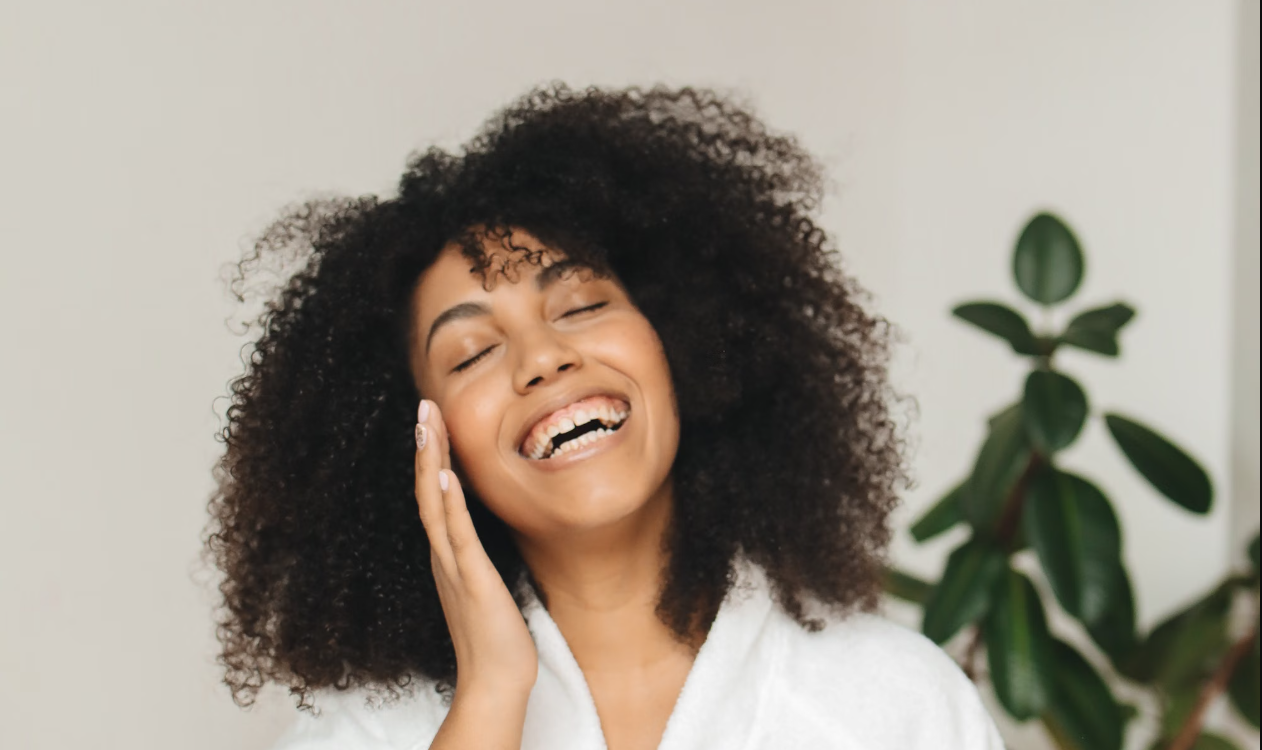
🎧 Listen: Session 375 — Redefining Pleasure · ▶️ Watch: TBG on YouTube
When you hear the word “pleasure,” where does your mind go? For a lot of us, it goes straight to sex — and then, often, to a little tightening in the chest. Maybe it’s the messages we absorbed growing up that pleasure was something to be ashamed of, earned, or kept quiet. Maybe it’s the noise of stress, anxiety, or a to-do list that never ends. Here’s an invitation worth sitting with: what if pleasure is bigger, softer, and more available than you’ve been led to believe? What if you’re allowed to feel good — really good — without apology?
That’s the spirit of Session 375 of the Therapy for Black Girls podcast, part of TBG’s annual Sex Positive September, a time dedicated to centering Black women’s pleasure, agency, and sexual liberation. It’s a permission slip to reconsider what pleasure means to you — in the bedroom and far beyond it.
Pleasure Is Bigger Than Sex
Let’s start by widening the frame. Sexual pleasure is one beautiful part of a full life, but pleasure itself lives everywhere: the first sip of coffee while the house is still quiet, sunlight on your face, your song coming on, laughing so hard you cry, the satisfaction of finishing something hard. When we shrink pleasure down to only one thing, we miss the dozens of small delights woven through an ordinary day.
This matters for your mental health, too. The diminished ability to feel pleasure — clinicians call it anhedonia — is one of the core symptoms of depression, and it can quietly drain the color out of everything. Intentionally noticing and reaching for what brings you joy isn’t frivolous. It’s part of how we stay connected to ourselves and to life. So consider this your nudge to take inventory: what genuinely lights you up? When was the last time you let yourself have it, fully and without rushing?
How Stress, Anxiety, and Depression Get in the Way
If pleasure — sexual or otherwise — has felt out of reach lately, your body may be telling on your mind. Anxiety and depression have a real, physical impact on our capacity to experience pleasure. When you’re anxious, your nervous system is bracing for threat, and the same stress response that helps you survive a real danger makes it nearly impossible to relax into desire or delight. You can’t be both terrified and turned on. You can’t be racing through a mental checklist and present in your own body at the same time.
For Black women specifically, there are added layers worth naming with compassion. Research points to factors like hypersexualization, the pressure of harmful stereotypes, and higher rates of sexual trauma that can heighten sexual anxiety. None of this means something is wrong with you. It means your experience makes sense, and it deserves tenderness rather than judgment. Sometimes the most pleasure-affirming thing you can do is tend to the anxiety first.
Unlearning Shame and Filling the Gaps We Were Left With
So many of us were handed silence where we needed guidance. Maybe “the talk” was a single warning. Maybe pleasure was framed as dangerous, or only acceptable under certain conditions. When we don’t get accurate, shame-free information about our bodies, we’re left to piece it together — often carrying guilt that was never ours to hold.
The good news: it’s never too late to re-educate yourself with warmth instead of fear. You’re allowed to get curious about what feels good to you, to ask questions, to read, to learn from shame-free educators, and to communicate your needs without apology. Unlearning shame is a practice, not a switch you flip — and every small step toward self-knowledge is a step toward freedom.
Practical Ways to Reconnect With Pleasure
If you want to invite more pleasure into your life, start gently and specifically:
- Make a pleasure list. Write down small joys — sensory, social, creative, physical — and aim to do one a day. Treat it like the appointment it is.
- Slow down and get in your body. Pleasure lives in presence. A deep breath, a stretch, a warm shower, music — anything that pulls you out of your head and into your senses helps.
- Address the anxiety underneath. If stress is crowding out joy, that’s worth attention. Naming it, journaling, movement, or therapy can ease the grip so feeling-good has room to return.
- Communicate your needs. With partners and with yourself, practice saying what you actually want. Your desires are valid information, not demands you have to justify.
- Release the timeline. Reconnecting with pleasure isn’t a performance or a race. There’s no behind. There’s just your own honest, unfolding relationship with delight.
Your Joy Is Worthy
Here’s the heart of it: you don’t have to earn pleasure, and you don’t have to apologize for wanting it. Joy, desire, rest, and delight are not rewards for productivity or perfection — they’re part of your birthright as a whole human being. Choosing to feel good, on your own terms, is a quiet act of self-respect and liberation.
For the full conversation on the overlooked ingredients of pleasure, how anxiety and depression shape our capacity to feel good, and what we wish we’d been taught about sex, listen to Session 375: Redefining Pleasure on the Therapy for Black Girls podcast, available wherever you listen. Go ahead — make a little space for your own delight. You deserve it.